What is fiberglass mesh?
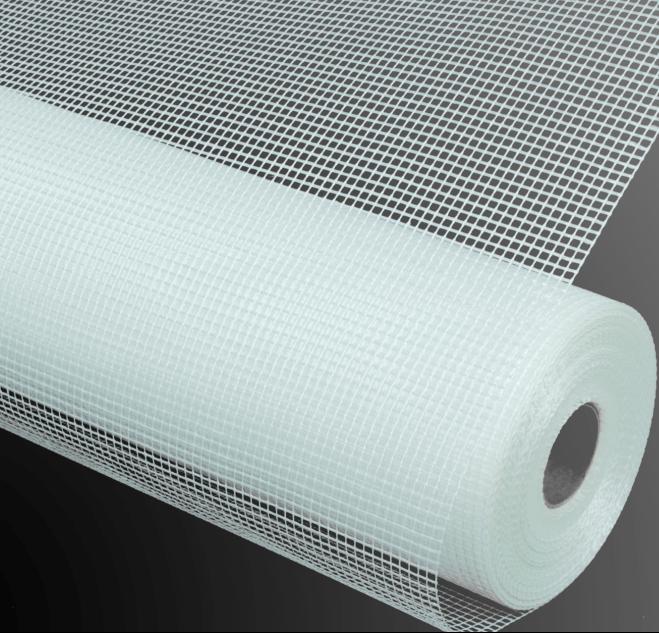
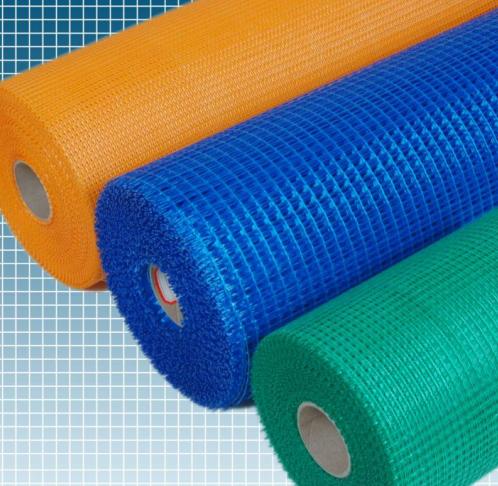
Fiberglass mesh is an inexpensive material that is non-combustible and characterized by its light weight and high strength. These properties make it ideal for use in the construction of plaster walls, as well as on interior wall and ceiling surfaces. This material is also widely used to secure surface layers in room corners. The most commonly used standard glass fiber mesh sheets have densities of 145 g/m² and 165 g/m², making them suitable for exterior wall cladding and facade projects. It is highly alkali-resistant, does not degrade, and does not corrode over time. It does not release toxic or harmful substances and possesses high tear and tensile strength, protecting surfaces from cracking and enhancing their mechanical strength. It is easy to handle and use.
Advantages of Glass Fiber Gypsum Reinforcement Mesh:
Alkali resistance
Does not degrade or corrode over time.
Does not release toxic or harmful substances.
Helps mitigate stress caused by sudden changes in temperature and humidity.
Offers high tear and tensile strength.
Protects surfaces from cracking and enhances their mechanical strength.
Glass fiber mesh is easy to handle and use.
When selecting fiberglass mesh, pay special attention to the following points:
To determine its alkali resistance, it is recommended to place a mesh sample in an alkaline environment for 25 days and then conduct a tensile test. The degree of strength reduction should comply with international standards.
You should also check the mesh’s stability under tensile stress. The small mesh is compressed, appearing as if it has been shaped into a snowball. Once the compressive force is removed, the elastic mesh should almost completely return to its original shape.